



The pace of change in today’s workplace is faster than ever. New tools, updated processes, and emerging technologies are transforming how companies operate, often so quickly that the shift feels like it happens overnight. For employees, this rapid evolution can be challenging. For companies, it creates a widening skills gap that directly affects productivity, performance, and overall business growth.
This is where Learning and Development (L&D) plays a crucial role. When employees are not consistently upskilled or reskilled, their existing knowledge can become outdated in a matter of months. In fact, one of the most common reasons companies end up letting go of employees is not poor performance or lack of dedication, it is simply a mismatch between their skills and the organization’s evolving needs.
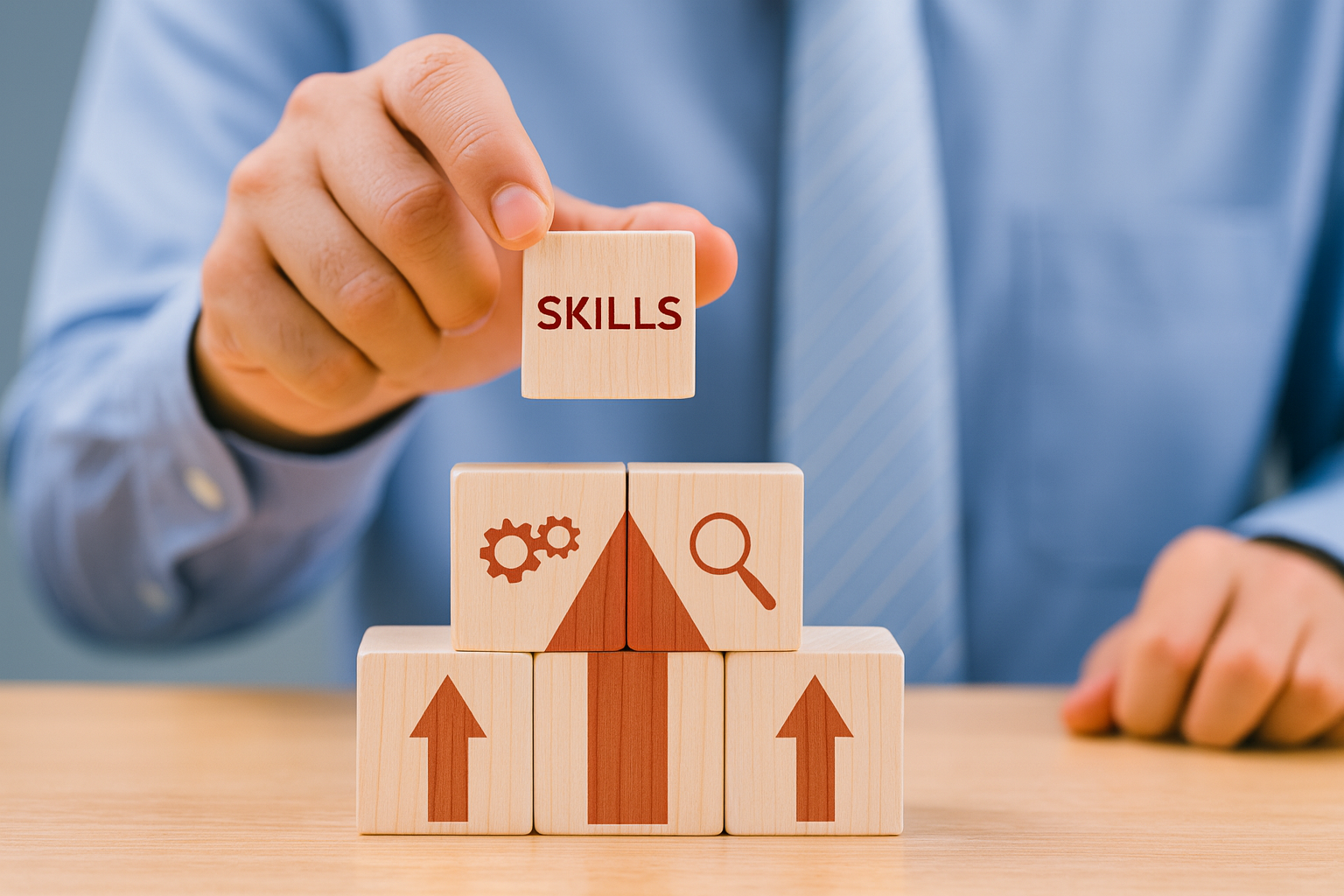
To bridge this gap and ensure long-term workforce sustainability, organizations must invest in continuous upskilling. A strong L&D strategy empowers employees to stay relevant, adapt to change, and grow in alignment with the company’s direction. As the business world becomes more digital and dynamic, learning is no longer optional, it has become a business imperative.
Modern Training Plans That Work
Traditional employee training often followed a predictable format, occasional workshops, annual seminars, and one-time onboarding sessions. While these methods were sufficient in a slower, more stable business environment, they fall short in today’s rapidly shifting landscape.
Modern Learning and Development strategies prioritize accessibility, personalization, and real-time skill-building. Thanks to HR tech advancements, companies can now deliver training that is more engaging, data-driven, and tailored to individual needs.
Learning Experience Platforms (LXPs) are at the center of this transformation. These platforms curate personalized learning journeys for employees based on their role, skill level, interests, and performance gaps. Instead of consuming generic training, employees receive recommendations that align with their goals and the company’s priorities.
AI-powered systems enhance this experience by analyzing skill readiness and suggesting real-time learning materials. Micro-learning modules, short, focused lessons, allow employees to learn without disrupting their daily work. This shift from lengthy training sessions to quick, relevant bursts of learning helps employees absorb information more effectively.
Technology has also introduced more interactive and impactful learning formats. Virtual simulations, gamified lessons, and scenario-based training make learning both practical and enjoyable. For industries that require hands-on skills, augmented reality and virtual reality training programs allow employees to practice safely in a digital environment.
Another essential aspect of modern training plans is “learning in the flow of work.” This approach integrates learning into daily tasks. When employees encounter a challenge, they can instantly access on-demand training resources. This reduces downtime and ensures immediate support.
In essence, modern L&D strategies replace one-size-fits-all programs with flexible, personalized, and technology-driven solutions. This helps employees stay updated continuously, not occasionally, creating a future-ready workforce.
The Growing Impact of Learning and Development
The value of L&D is no longer a theory; it is backed by decades of data and reinforced by current workforce trends. Recent industry reports highlight an undeniable connection between continuous learning and organizational success.
Skills are becoming obsolete faster than ever. Studies show that nearly 50% of today’s skills will no longer be relevant within the next five years. At the same time, 70% of companies identify skill gaps as their biggest talent challenge, proving how critical upskilling has become.
From an employee perspective, learning is a leading factor in job satisfaction and retention. Approximately 76% of employees say they are more likely to stay with a company that invests in their development. This is especially true among younger generations, who view learning opportunities as essential to career growth.
Productivity, one of the most important organizational metrics, rises significantly with consistent training. Employees who receive ongoing development opportunities are reported to be up to 40% more productive than those who do not. This is because trained employees feel more confident, make fewer mistakes, and adapt faster when changes occur.
The financial return on investment is equally compelling. Companies with strong L&D cultures experience 24% higher profit margins and a 218% higher income per employee. These numbers emphasize that learning is not an expense, it is an investment with measurable returns.
Additionally, organizations that prioritize upskilling adopt new technologies 30% faster than those that do not. This gives them a competitive edge, enabling smoother digital transformation and improved workflow efficiency.
These statistics highlight one consistent message, businesses that invest in Learning and Development are more productive, more innovative, and significantly more stable.
How Learning and Development Benefits the Organization
A well-structured L&D strategy delivers benefits that extend far beyond skill-building. It strengthens the company at every level, from culture to productivity to long-term growth.
The most immediate advantage is workforce stability. Employees who are trained regularly feel more valued and capable, reducing turnover rates. Recruitment is expensive and time-consuming. By investing in current employees instead of constantly hiring new ones, companies save costs and maintain continuity.
Upskilling also helps organizations remain agile. Modern challenges require modern solutions. Whether it is adopting new software, implementing automation tools, or navigating market fluctuations, employees must be equipped to handle change without disruption. Continuous learning ensures they stay adaptable and confident.
L&D also supports internal mobility. Instead of hiring externally for new roles, companies can promote from within, strengthening employee loyalty and creating a clear career path. This builds a strong leadership pipeline and fosters a culture of growth.
Innovation thrives in organizations that encourage learning. When employees explore new skills, technologies, and ideas, they bring fresh perspectives to their work. This leads to better decision-making, improved problem-solving, and an environment where creativity is encouraged.
From a performance standpoint, trained employees complete tasks faster, produce higher-quality work, and collaborate more effectively. They understand the company’s goals better and align their contributions accordingly.
Ultimately, L&D enhances a company’s brand reputation. Organizations known for investing in employee growth attract better talent and build trust among clients and stakeholders. A learning-focused culture signals that the company is progressive, future-ready, and people-centric.
Conclusion
In a world where change is constant and unpredictable, the ability to learn and adapt has become one of the most valuable strengths an organization can cultivate. Learning and Development is no longer a support function, it is a strategic priority that shapes the future of the business.
By embracing modern training methods, leveraging HR tech, and fostering a culture of continuous learning, companies can equip their workforce with the skills needed to thrive. Upskilling not only helps employees grow, it empowers organizations to stay competitive, agile, and innovative.
A future-ready workforce is built through consistent learning, thoughtful development strategies, and a commitment to helping employees reach their full potential. Companies that prioritize Learning and Development today will be the ones leading their industries tomorrow.